
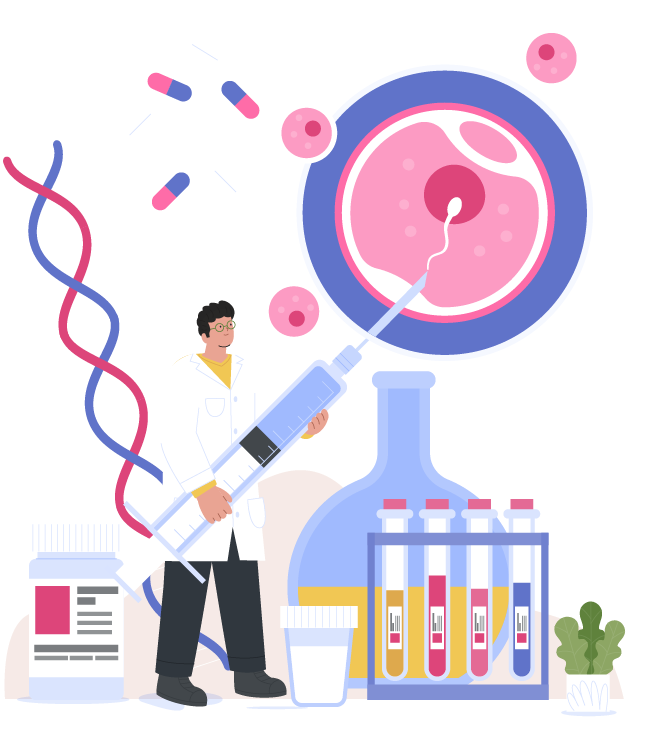
Treatment and hope: Options for male infertility

Lifestyle changes that improve chances1

Quit smoking

Quit smoking or avoid it, because smoking can harm your sperm

Balanced nutritious diet

Eat a balanced, nutritious diet

Healthy weight

Maintain a healthy weight; manage obesity or underweight

Exercise

Exercise regularly and reduce stress

Avoid drugs medications

Avoid recreational drugs and unnecessary medications

Harmful chemicals

Limit exposure to pesticides, heavy metals and harmful chemicals

Medical and surgical treatments1

Oral therapies

Oral therapies

  • Nutritional supplements such as antioxidants (vitamin C, vitamin E), zinc, folic acid, N-acetyl cysteine and L-carnitine may help support hormonal balance and sperm health.
  • Hormonal therapies such as gonadotropins or selective estrogen receptor modulators, may improve sperm production in men where fertility issues are caused by hormonal imbalance.
Surgical treatments

Surgical treatments

  • Varicocele repair or removal of blockages in the ejaculatory ducts.
  • Sperm retrieval procedures: When no sperm are present in semen (azoospermia), sperm can sometimes be taken directly from the testes or epididymis and used for assisted reproductive treatments.
Surgical treatments

Assisted reproductive technologies

  • Intrauterine insemination or IUI: In this process, semen and sperm from the male partner (or a donor) are collected and placed directly into the woman’s uterus
  • In vitro fertilisation or IVF: It involves the fertilisation of the egg outside the body by adding about 100,000 sperm to each egg
  • Intracytoplasmic sperm injection or ICSI: A single sperm is injected directly into the egg

Emotional support and counselling for couples2

  • Infertile couples face a higher risk of mental health problems.
  • Emotional therapy and infertility counselling can help reduce depression, anxiety, stress, anger and relationship dissatisfaction in couples facing infertility.
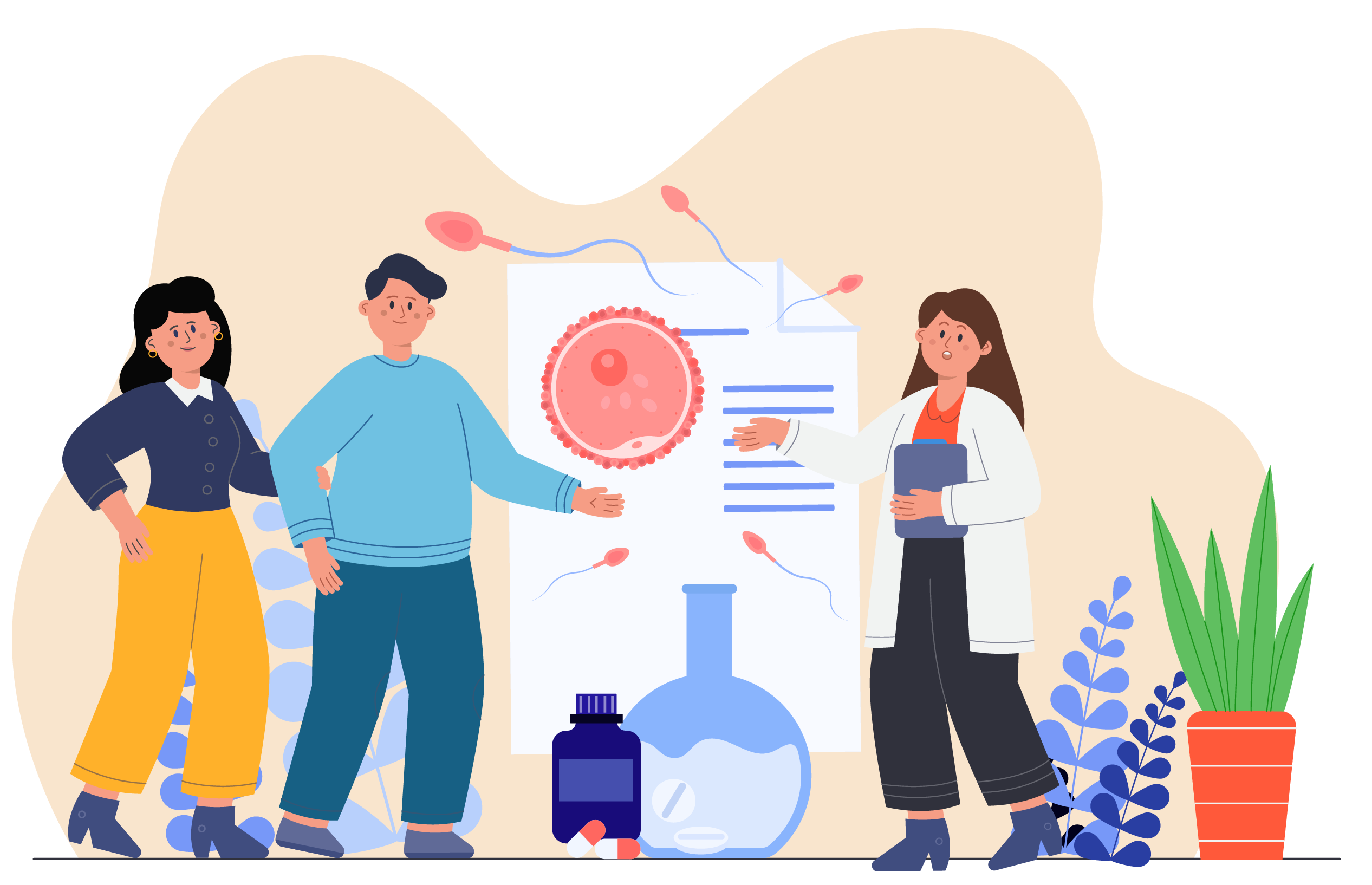
Key Takeaways

  • Male infertility often has treatable causes,with options including lifestyle changes, medical or surgical therapies, and assisted reproduction.
  • Emotional support and counseling for couples are important, and improve well-being during treatment.

With the right choices today, tomorrow opens up with new possibilities

References

1. Leslie SW, Soon-Sutton TL, Khan MAB. Male Infertility. Treasure Island (FL): StatPearls Publishing. Available from: https://www.ncbi.nlm.nih.gov/books/NBK562258/. Accessed on: 14 November 2025.

2. Sorkhani TM, Ahmadi A, Mirzaee M, et al. Effectiveness of counseling for infertile couples on women's emotional disturbance: A randomized clinical trial. Rev Bras Ginecol Obstet. 2021;43(11):826-33.