Dos and don’ts for better male fertility

Role of diet, exercise, sleep and stress management

  • Eat healthy foods high in vegetables, legumes, dietary fiber, omega-3 fatty acid and antioxidants, vitamins and minerals1,2
  • Maintain a healthy body weight to support hormonal balance and reduce complications1
  • Manage stress through relaxation techniques to reduce anxiety1
  • Exercise regularly in moderation to help the body relax and stay healthy1
  • Avoid diets high in trans fats, refined carbohydrates and added sugars and red meat1,2
  • Avoid excessive anxiety and emotional stress1

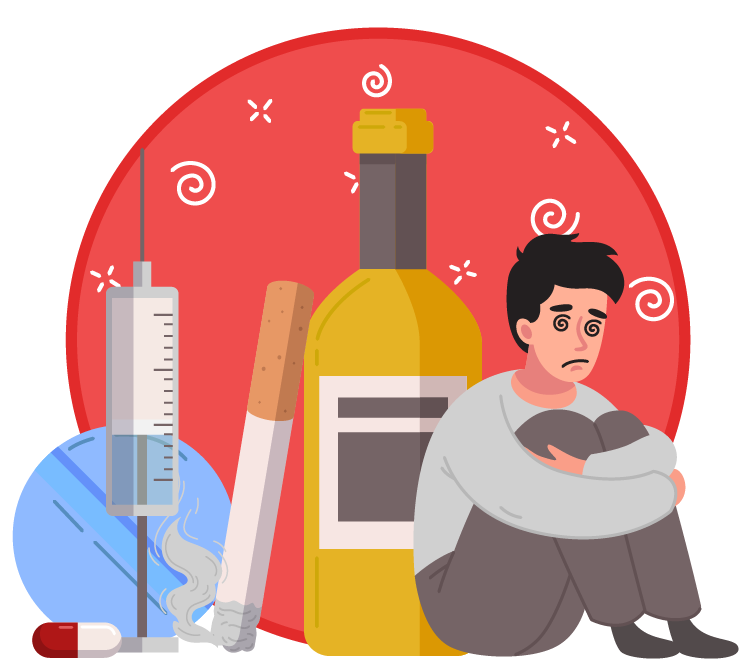
Effects of smoking, alcohol and drugs on sperm health1

Quit smoking

Quit smoking or avoid it, because smoking can harm your sperm

Stop drinking alcohol

Reduce or stop drinking alcohol as alcohol can negatively affect sex hormones, testies and fertility potential

Avoid drugs

Avoid recreational and prescription drugs, as they may lead to problems such as erectile dysfunction, sperm production and sperm function

Importance of regular health check-ups1

  • Infertile couples should access care early, ideally after a maximum of one year without conception
  • Follow healthcare provider's guidence on lifestyle modifications to improve reproductive health

Key Takeaways

  • Lifestyle factors can affect fertility in both men and women and they can be changed.
  • Taking small steps such as healthier diet, regular moderate exercise, quitting smoking, cutting back alcoholand managing stress may improve fertility outcomes.

Your habits matter, nurture them well to support your fertility journey.

References

1. Emokpae MA, Brown SI. Effects of lifestyle factors on fertility: practical recommendations for modification. Reprod Fertil. 2021;2(1):R13-R26.

2. Skoracka K, Ratajczak AE, Rychter AM, et al. Female fertility and the nutritional approach: the most essential aspects. Adv Nutr. 2021;12(6):2372-86.