
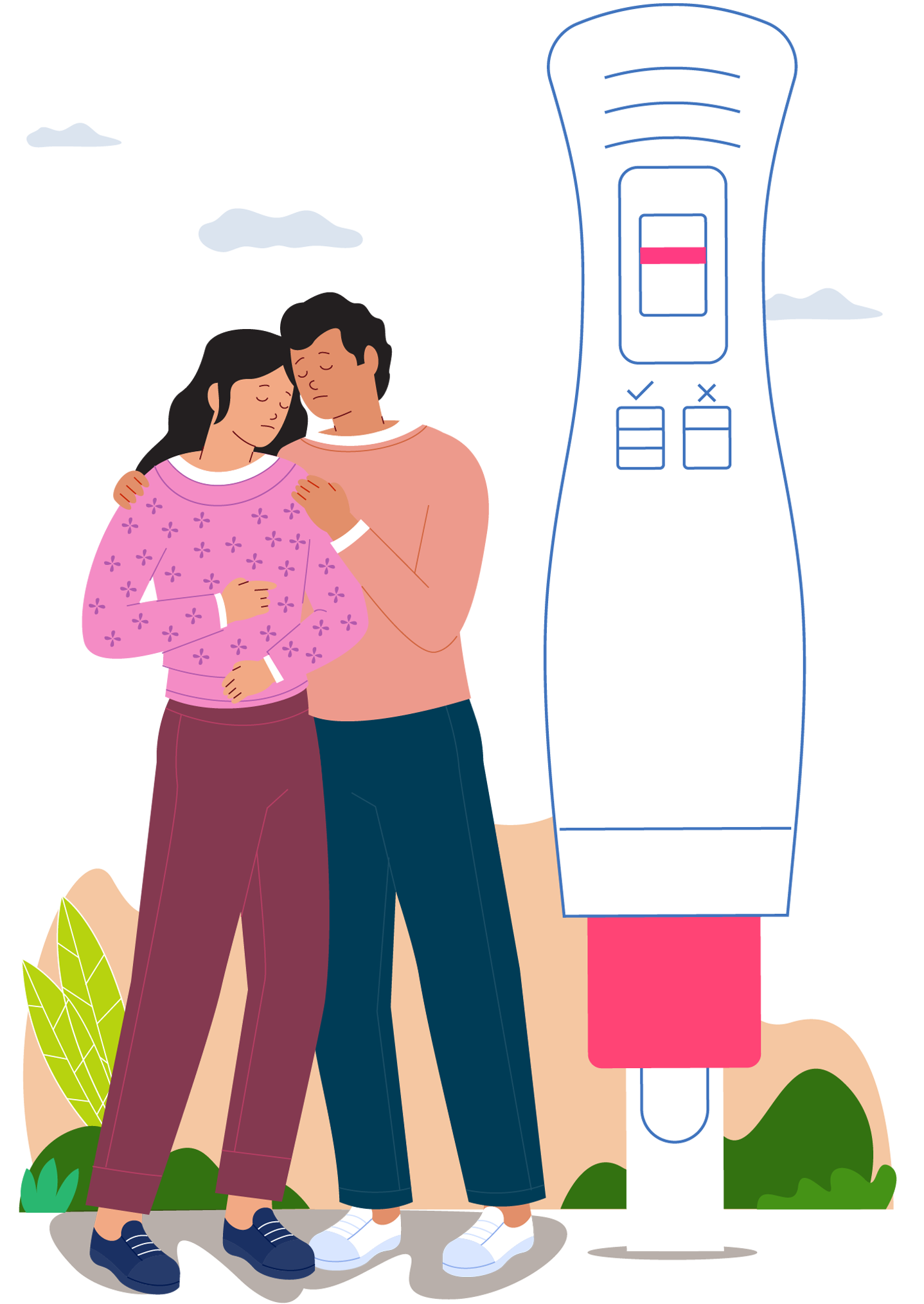





Male infertility means a man is unable to make his female partner pregnant, even after having regular, unprotected sex for at least one year, despite the woman being fertile.
Male-related factors account for nearly 50% of all infertility cases.
Hormonal problems: Imbalances in thyroid or adrenal hormones can reduce sperm count
Medicines and surgeries: Medicines used to treat conditions such as cancer, depression or arthritis can affect sperm production, and certain surgeries may also impact fertility
Testicular issues: Conditions such as varicocele (enlarged veins in the scrotum) can lower sperm count and sperm quality, making conception more difficult
Fact Stress impacts fertility in both men and women; in men, it can lower sperm count and quality
Myth Age affects only women’s fertility
Fact Male fertility decreases with age, as semen volume, movement and shape worsen, reducing the chances of pregnancy and increasing the risk of miscarriage.
Myth Infertility is only a woman's problem
Fact Infertility can affect both men and women, and male factors contribute to 50% of all infertility cases worldwide
Key Takeaways
Infertility is not just a 'woman’s issue.' Lifestyle, age, stress and health matter for both partners.
With appropriate medical guidance, healthy habits and timely interventions, most couples can
overcome infertility and achieve parenthood.
Understanding infertility is the first step, taking action together is the next.